Back to projects
Art Direction, 3D

Environmental 3D Rendering: Lifestyle Imagery & Campaign Assets

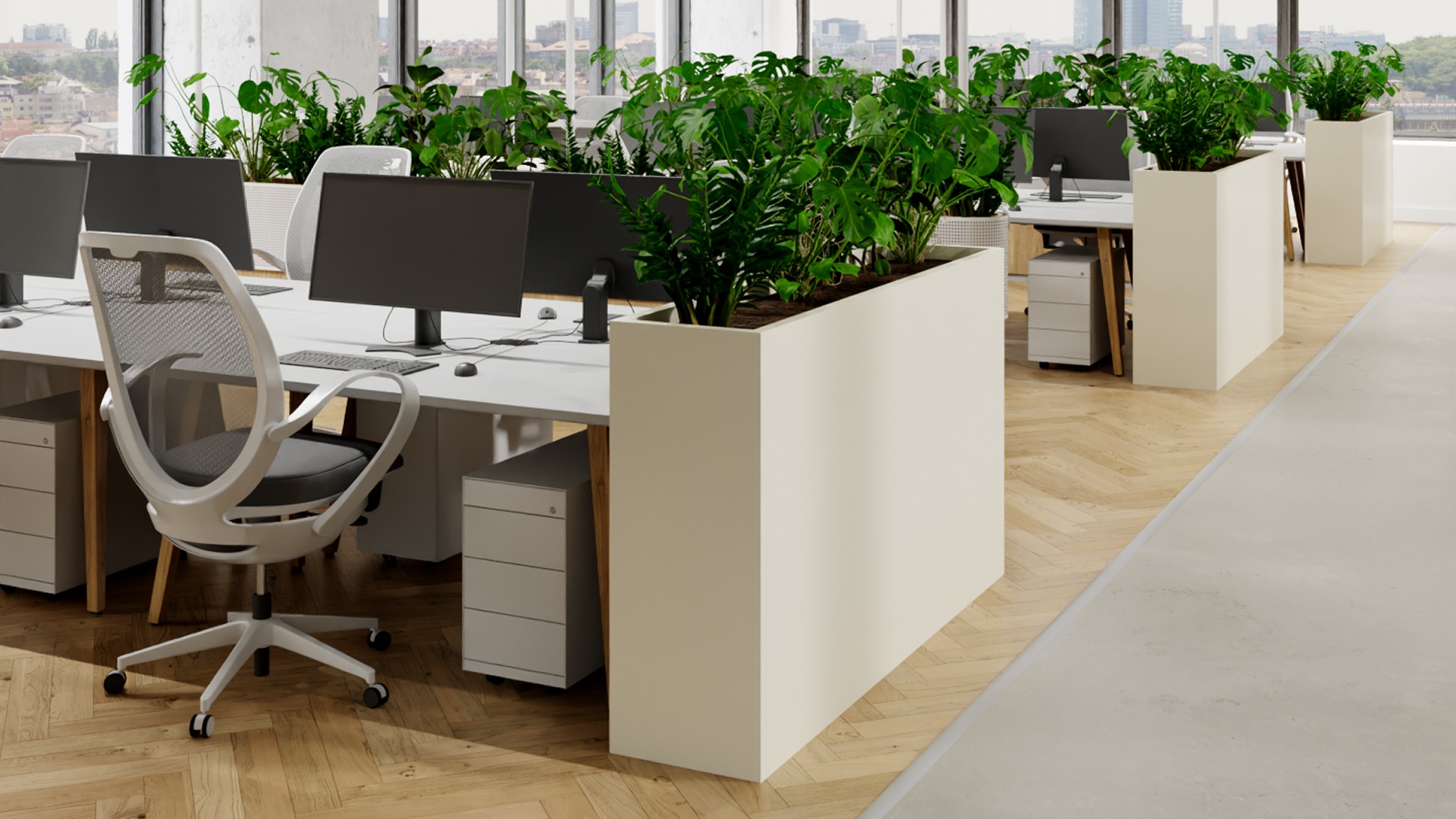
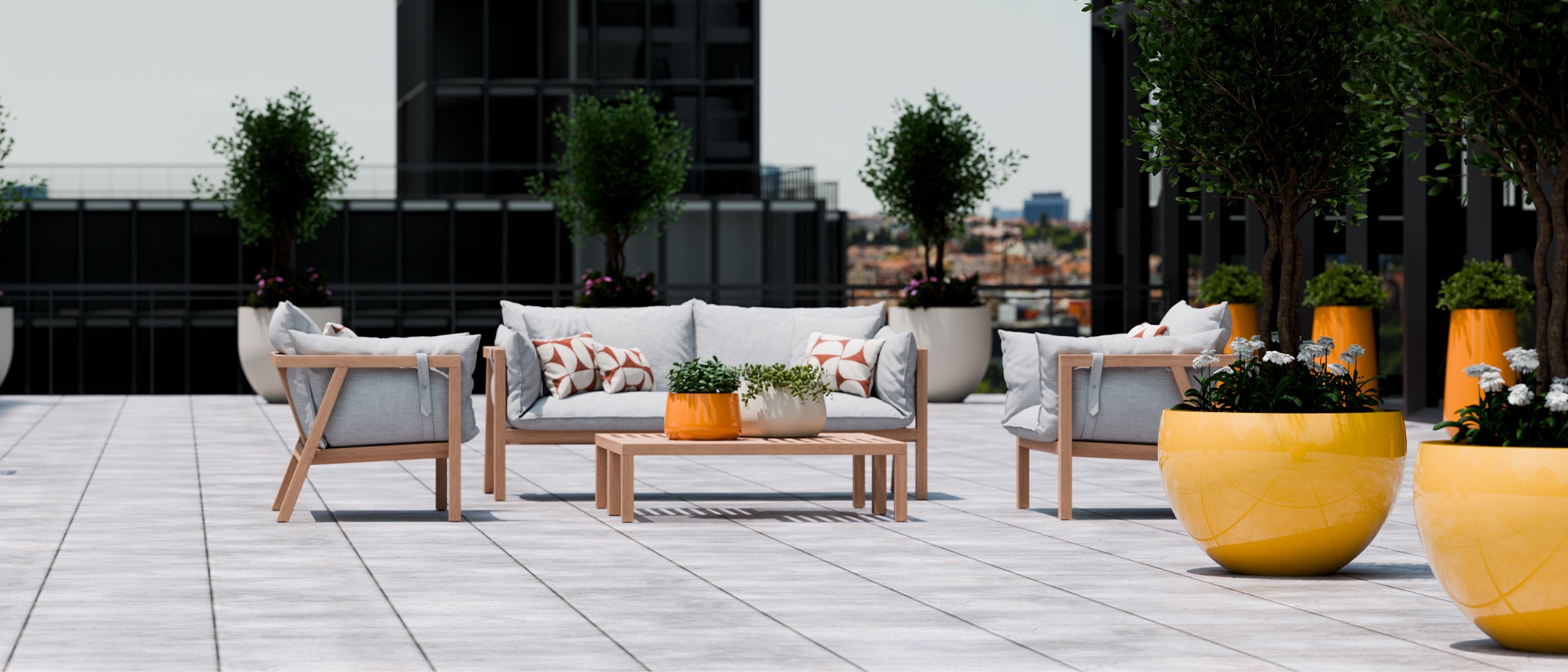
When photography wasn’t an option, 3D rendering filled the gap. I developed a process for creating environmental lifestyle images of our planter line for use across print, web, catalog, social, and vendor channels. Over four years, the work grew into a reliable production resource for the marketing, sales, and operations teams, covering everything from campaign assets to presale product imagery.

Role Art Director & 3D Generalist
Timeline Ongoing project, 2021 to 2025
Deliverables Art Direction, 3D

The Context & Why

Marketing, sales, and operations all needed product imagery on a timeline that photography couldn’t always meet. Large planters were difficult to shoot quickly, and with 21 standard finishes plus custom colors, photographing every combination was never going to be feasible. New colorways weren’t always in stock. Catalog deadlines didn’t wait for inventory to arrive.

3D rendering was the practical answer. With a product rendering library already in place, the next step was putting those assets into context. Lifestyle and environmental images were needed for campaigns, catalogs, vendor materials, social media, and the website. I took on the creative direction and production of those images, building scenes that could serve all of those uses across a four-year span.
Challenges & Approach

Every environment was built from scratch. There was no creative brief, no art direction, and no precedent to reference internally. Decisions about setting, lighting, color palette, and styling were mine to make for each image.

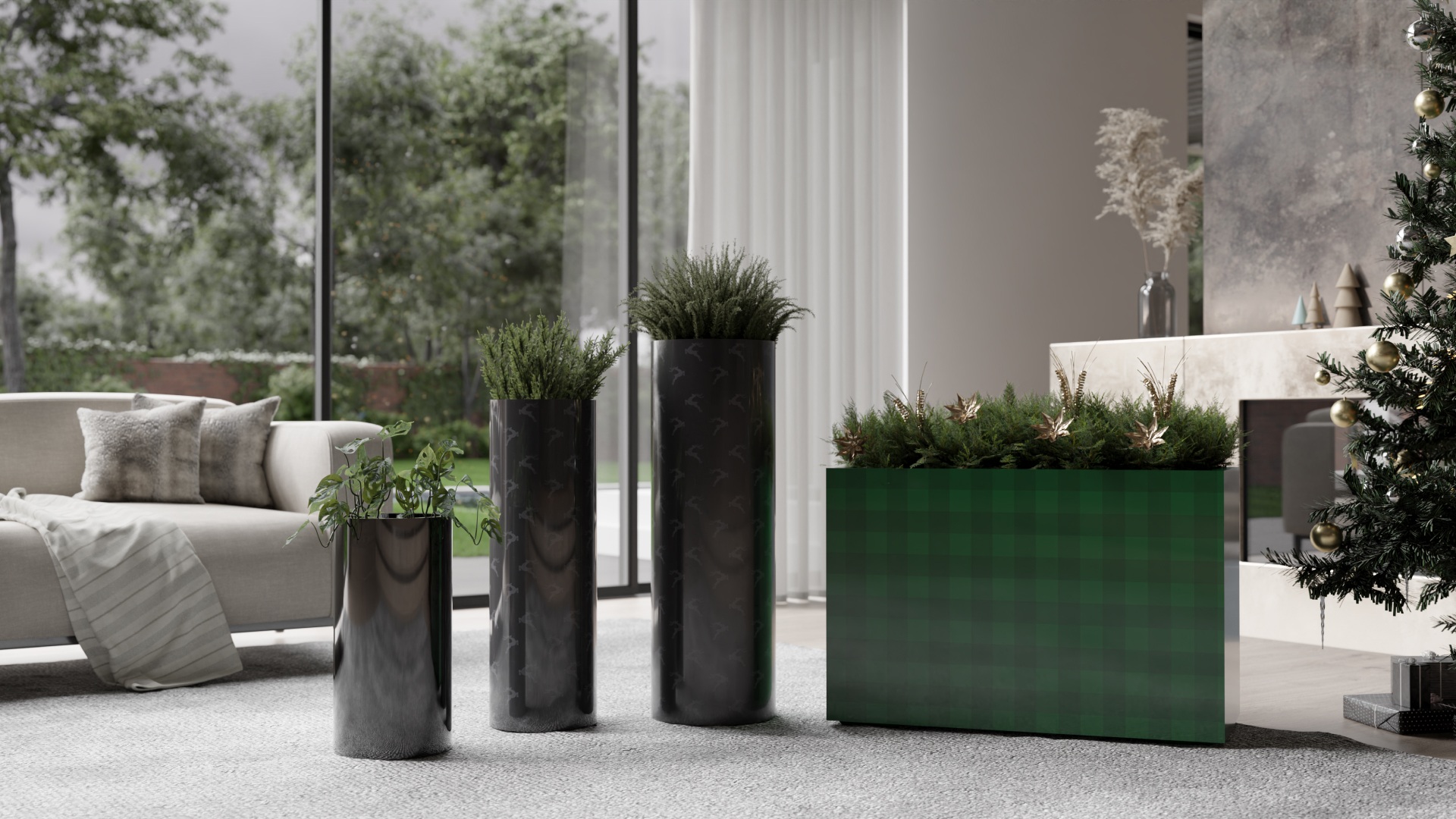
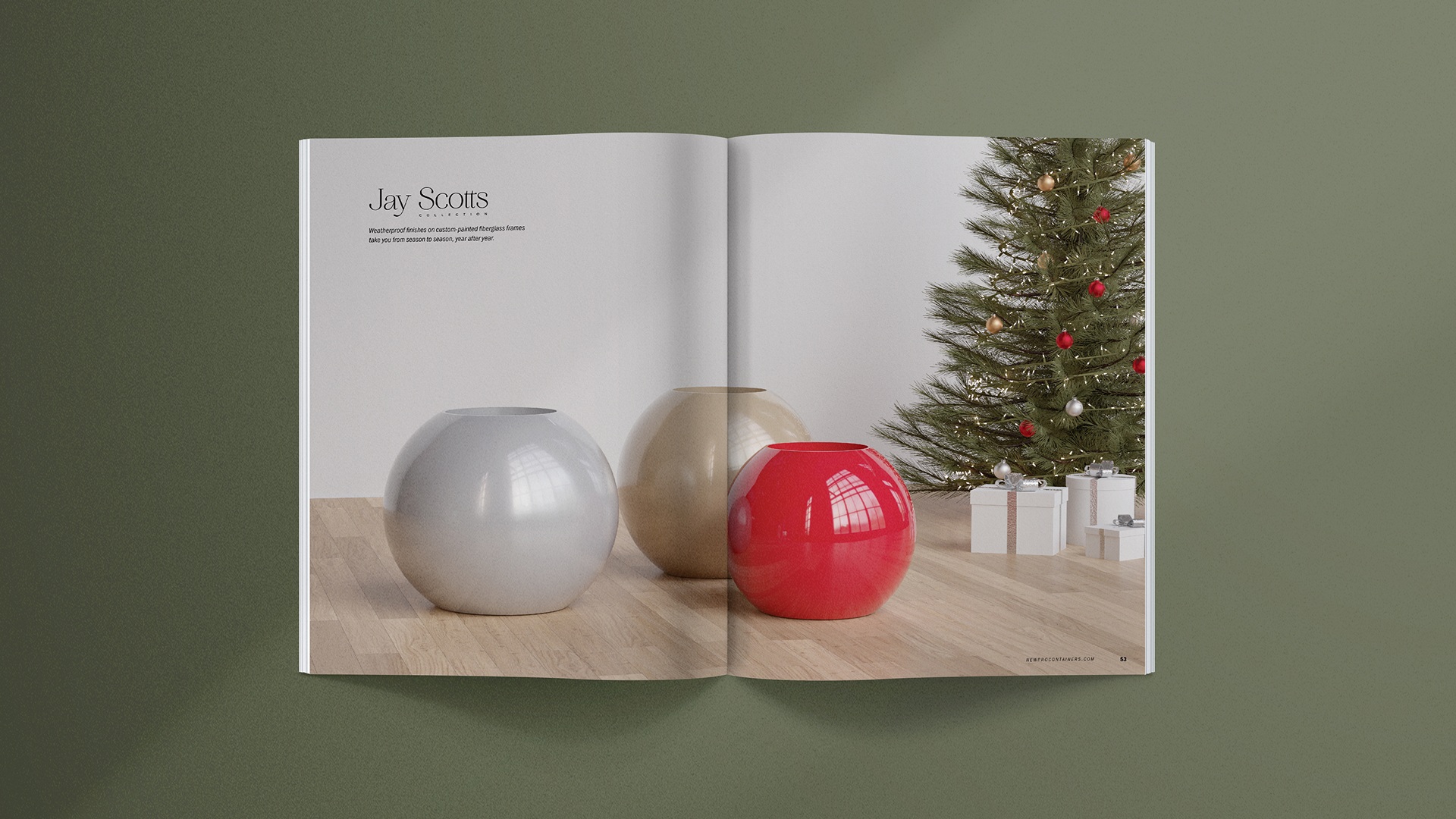
The main creative constraint was relevance. Each scene needed to feel appropriate to its end use, whether that was a spring campaign postcard, a holiday catalog spread, a vendor sell sheet, or a website banner. Interior and exterior scenes required different approaches entirely, and the same render often needed to work across both print and digital formats.

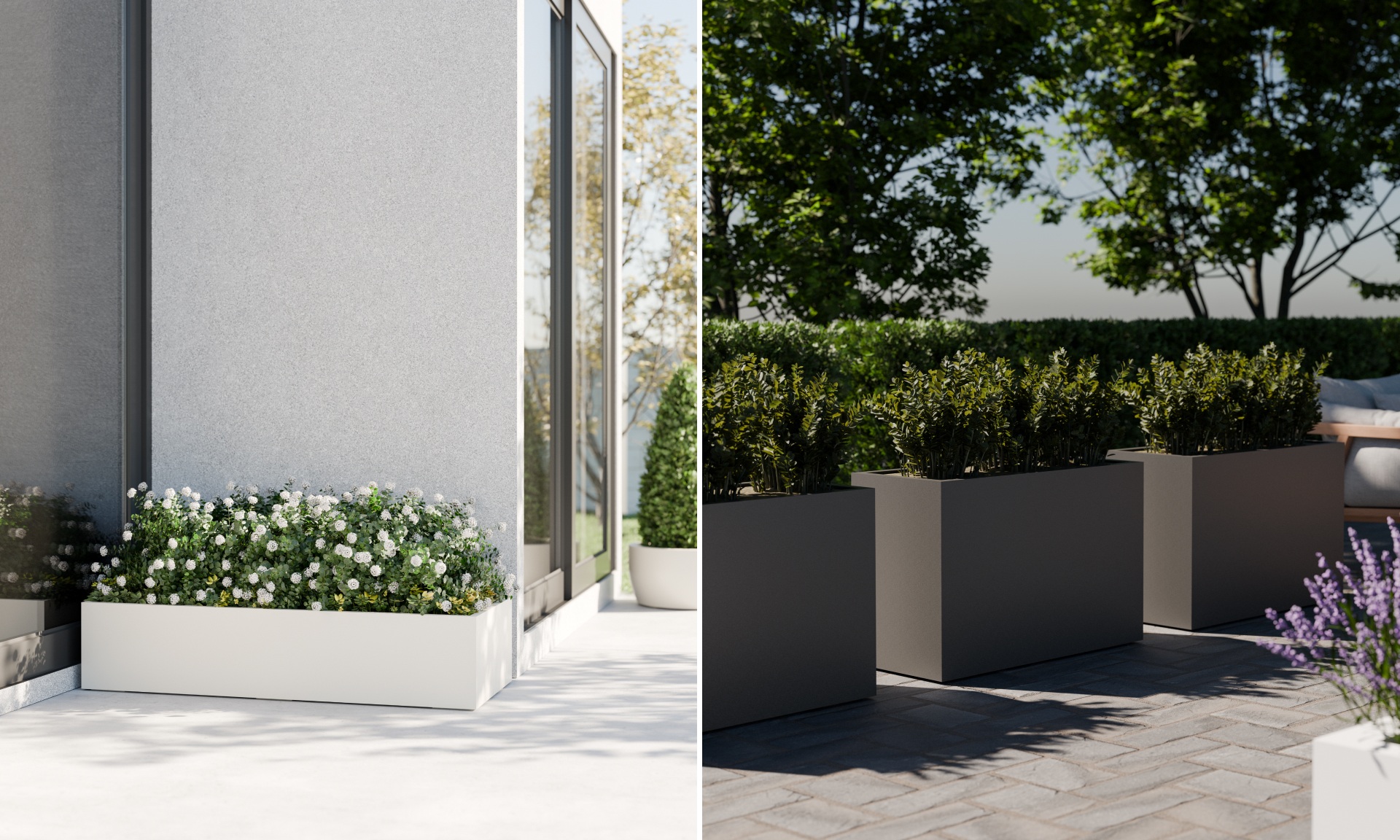
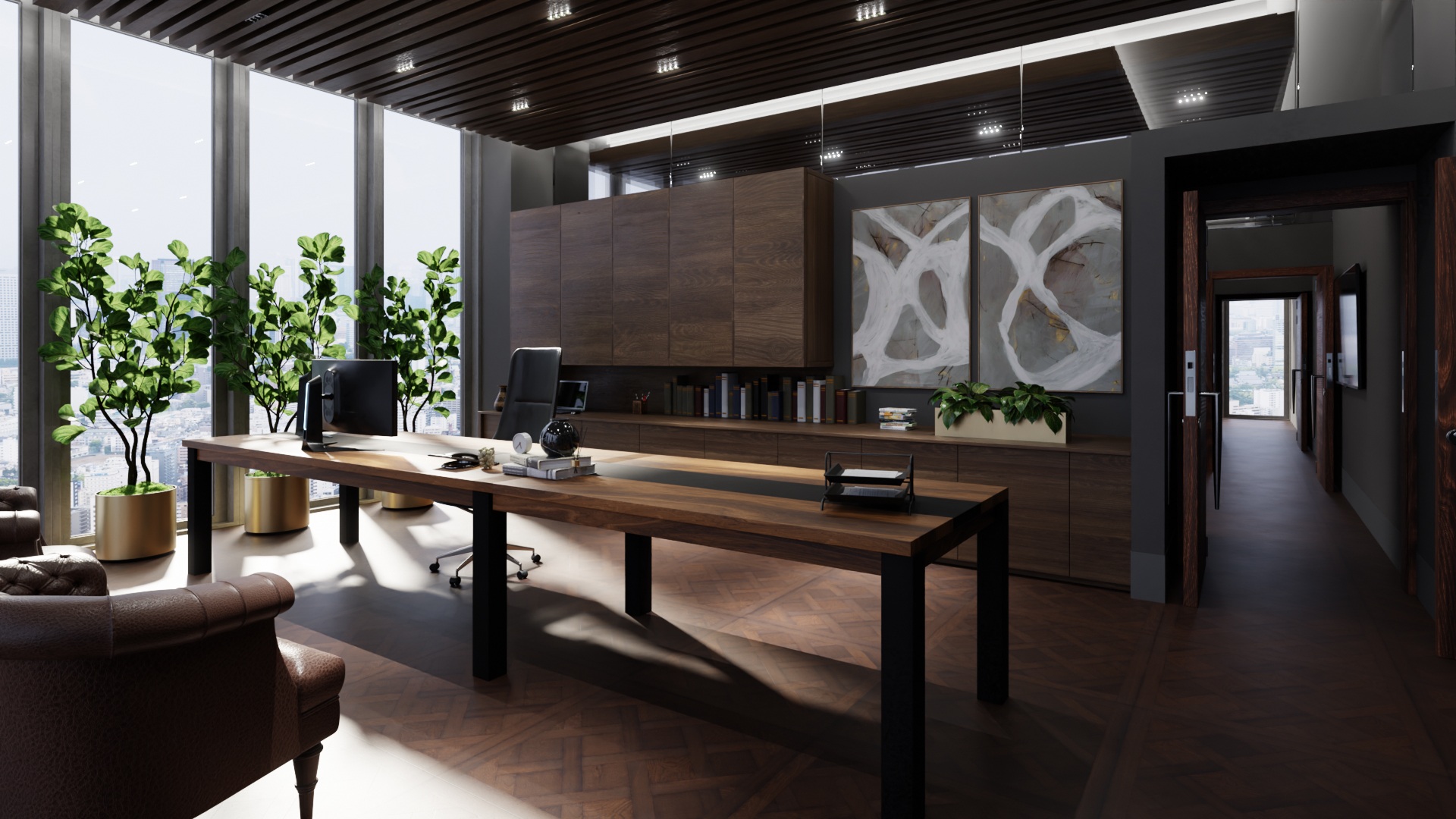
The audience split shaped many of those decisions. B2B buyers needed images that communicated scale and finish accurately enough to make purchasing decisions. B2C customers needed to see the product in a space they could relate to. Where the use cases were too different to serve with a single render, I produced separate images for each audience, adjusting the environment and styling to fit the context.

Design Process

Each image started with a request or an identified gap. From there the process was consistent: determine the end use, decide on interior or exterior, choose a seasonal palette, and build the environment to fit. Cinema 4D and Blender Cycles were the primary tools.

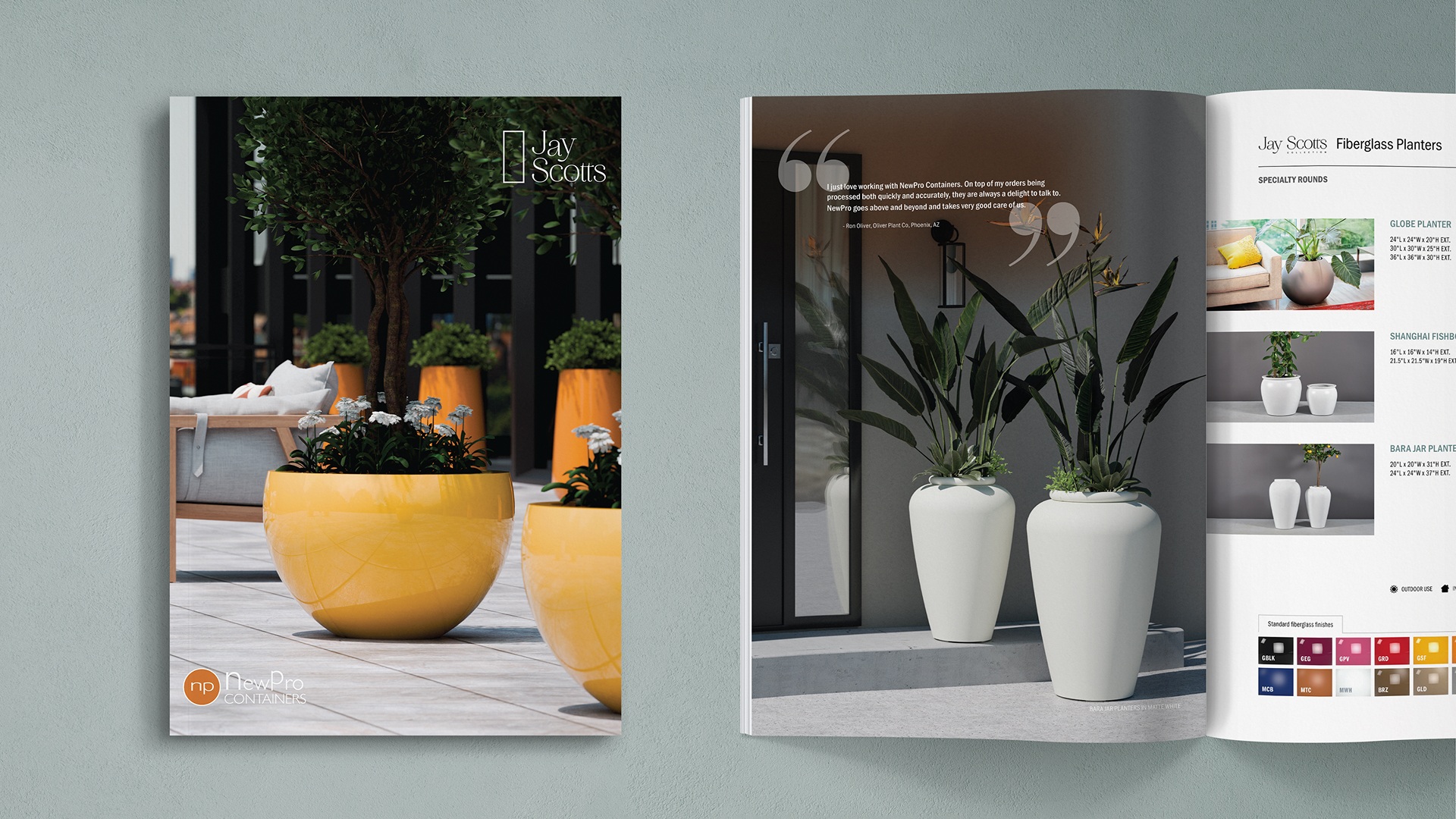
Building environments from scratch meant sourcing or creating every element: furniture, plants, architectural details, lighting. Scene composition was guided by how the final image would be cropped and used, whether that was a vertical social post, a horizontal banner, or a full catalog spread. Images destined for print were rendered at higher resolution from the start to avoid re-rendering later.

Visual Direction

The visual direction for each scene was self-determined, guided by the season, the setting, and the audience. There were no mood boards handed down, no style guidelines specific to the lifestyle imagery. The product rendering library established what the planters looked like. Everything around them was a creative decision.

The goal for every scene was to make the renders feel grounded rather than obviously digital. Planter finishes were bold in many cases, so environments were kept relatively neutral to let the product read clearly. Exterior scenes used natural light appropriate to the season. Interior scenes were built with practical light sources that matched the environment. For campaign-specific images, palette choices aligned with the seasonal tone: warmer for fall and holiday, cleaner and brighter for spring and summer.

Final Design

Over four years, the project produced more than 60 environmental lifestyle renders spanning interior and exterior settings across multiple seasons and campaigns. Each image was built to serve a specific use while being flexible enough to work across formats, print and digital, vertical and horizontal.

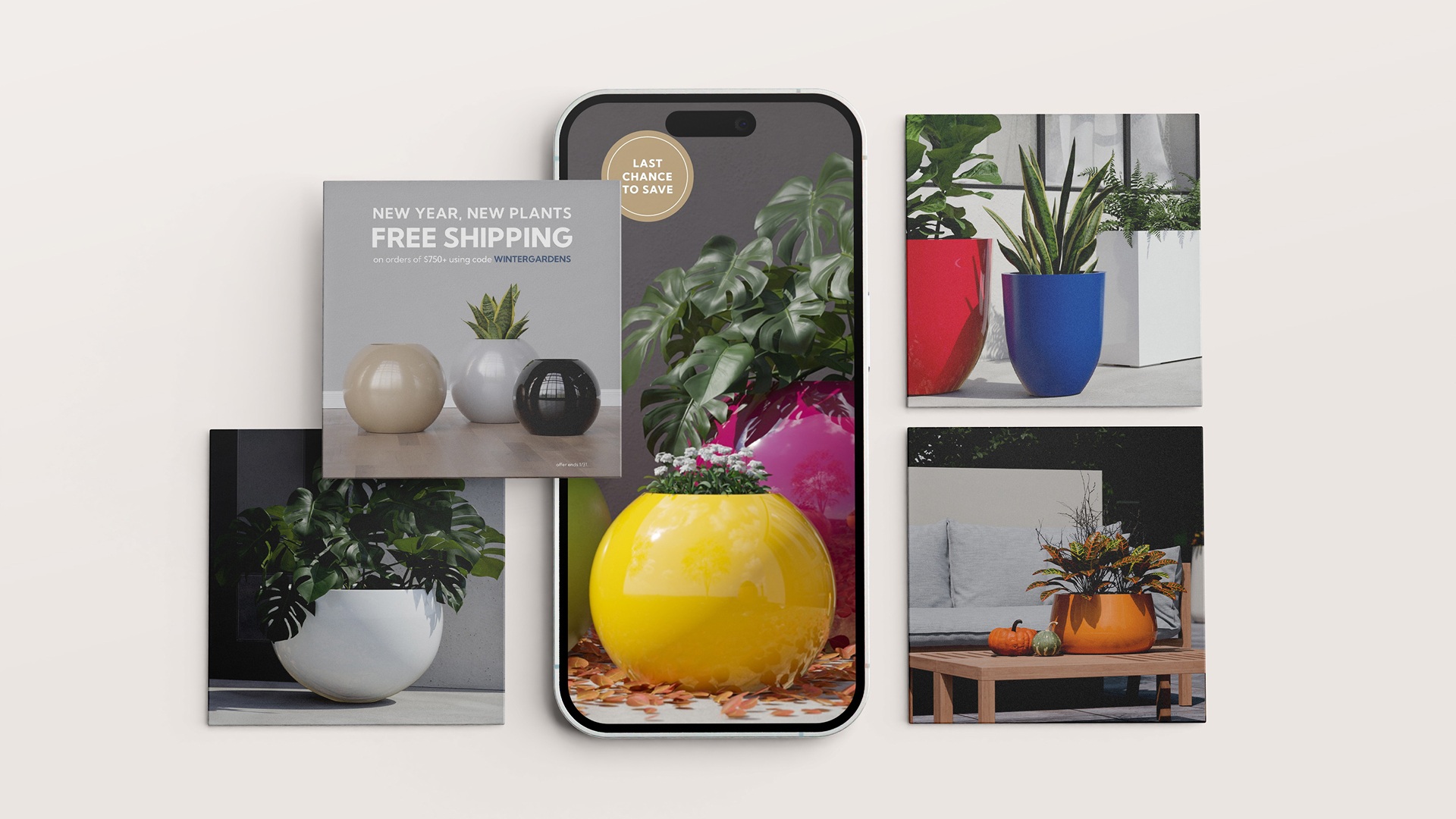
The images were used across the catalog, website banners, social media, vendor materials, and printed campaign assets including postcards.

Outcome & Impact

The renders became a consistent part of the production workflow over the four years the project ran. Marketing had imagery for campaigns and catalog on schedule. Sales had visuals for preselling product and supporting vendor conversations. Operations had a way to represent product that wasn’t yet available to photograph.

The clearest measure of that was in the field. Renders were credible enough to close sales on product that hadn’t arrived yet, and detailed enough that customers weren’t caught off guard when the physical product showed up.

Reflections

A project without a defined brief requires its own kind of discipline. Progress wasn’t measured in milestones but in images delivered and gaps filled. Taking on both the art direction and design meant there was no separate creative voice to pressure-test decisions against, so structure had to be self-imposed from the start.

Images conceived for one use rarely stayed there. Renders built for a catalog spread ended up on social. Vendor images made their way onto the website. Building with that flexibility in mind saved a lot of re-rendering over time. The clearest feedback came from the field: when the sales team found the renders useful, that was the signal the work was on track.

Deliverables

01

Environmental Lifestyle Renders: 60-plus interior and exterior scenes spanning multiple seasons, campaigns, and planter styles, produced for use across print and digital formats.

02

Campaign & Print Assets: Rendered images adapted for catalog spreads, postcards, and printed campaign materials across seasonal and evergreen themes.

03

Digital & Web Assets: Website banners, social media imagery, and vendor materials produced from environmental renders at appropriate resolutions and formats.

04

Presale Product Imagery: Renders produced specifically to represent product not yet available to photograph, used by the sales team in customer and vendor conversations.

Up Next

Trends & Colors: Annual Design Guide